🌾 Gluten-Free
🥑 Low-Carb
🌱 Vegan
🥕 Vegetarian
🥛 Dairy-Free

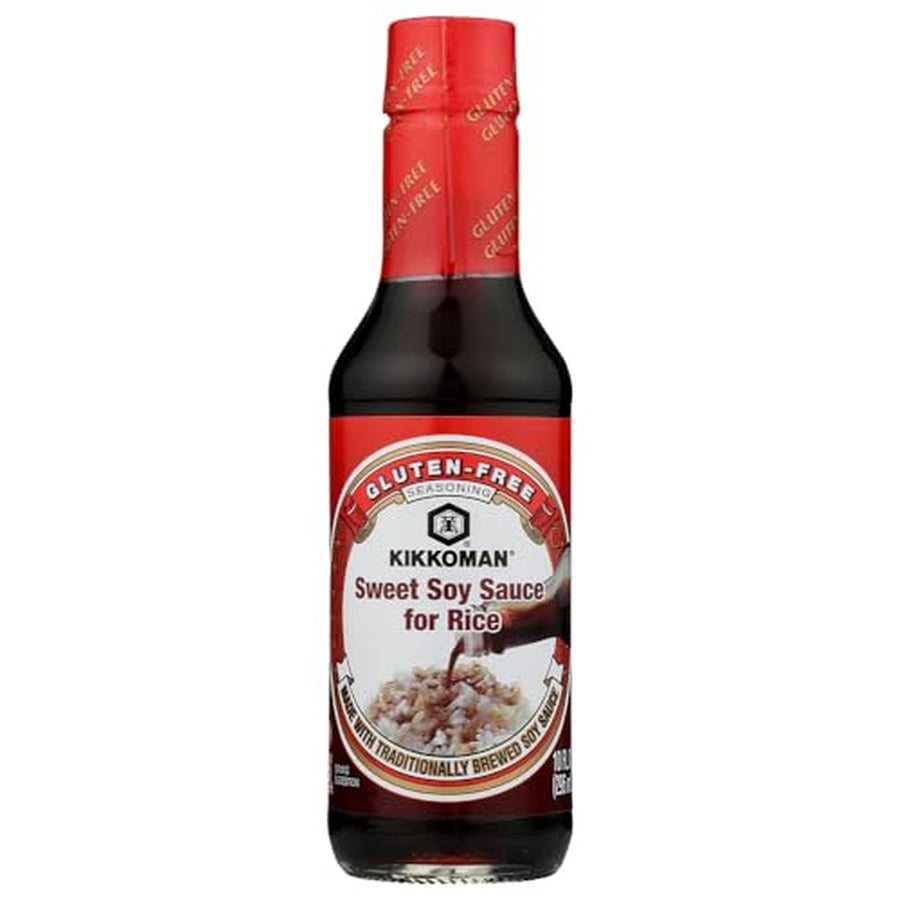
Kikkoman Sweet Soy Sauce for Rice, 10 fl oz

$16.83

🚚 Free Shipping on All Orders🕑 Back in Stock Soon🔒 Secure Checkout
Product Details

This is a seasoning sauce rather than a table soy sauce. Kikkoman begins with traditionally brewed soy sauce and builds it into what the company describes as a savory-sweet glaze made for rice, with a rounder, sweeter profile and more body than the soy sauce that goes in a dipping dish.

Its namesake use is the simplest one: pour a little over a hot bowl of steamed white rice, or over a rice bowl topped with fried egg, grilled chicken, or roasted vegetables. It also behaves like a Japanese tare. Brush it onto chicken, salmon, or tofu in the last minutes of cooking so it caramelizes, spoon it over griddled rice cakes, toss it through fried rice or noodles, or loosen it with rice vinegar for a sweet-savory dressing.

Worth keeping within reach of the table if plain rice shows up at most of your meals. A little carries a long way, so start with a drizzle and taste before adding more.

Ingredients

Soy Sauce (Water, Soybeans, Salt, Sugar), Sugar, Salted Sake (Water, Rice, Salt), Rice Syrup, Water, Salt

Nutrition Information
Servings per containerAbout 20
Serving size1 Tbsp (15mL)
Calories35
Total Fat0g (0% DV)
Saturated Fat0g (0% DV)
Trans Fat0g
Cholesterol0mg (0% DV)
Sodium440mg (19% DV)
Total Carbohydrate9g (3% DV)
Dietary Fiber0g (0% DV)
Total Sugars7g
Includes Added Sugars7g (14% DV)
Protein1g
Kikkoman Sweet Soy Sauce for Rice, 10 fl oz $16.83

Questions About This Product

The things people actually want to know before they cook with it.

What is Kikkoman Sweet Soy Sauce for Rice, exactly?
It is a savory-sweet finishing sauce built on traditionally brewed soy sauce, with sugar, salted sake and rice syrup rounding it out. Kikkoman made it for the very Japanese habit of dressing a plain bowl of rice with something more interesting than straight shoyu. Think of it as a soy sauce that has already been sweetened and softened for you rather than a cooking sauce you build a dish around.
How is it different from regular soy sauce?
Regular soy sauce is salt-forward and sharp; this one leads with sweetness and umami and lands much gentler on the tongue. The sodium per tablespoon is well under half that of standard Kikkoman soy sauce, and it carries added sugar and rice syrup that plain soy sauce does not. That is why it can go straight onto rice or eggs without making the bite taste salty.
Is it the same as teriyaki sauce?
No. Kikkoman's teriyaki marinade is built for cooking meat and includes wine, onion and garlic powder, so it tastes seasoned and aromatic. Sweet Soy Sauce for Rice keeps to soy, sugar, salted sake and rice syrup, so it tastes like sweetened soy sauce and nothing else. You can use it in a teriyaki-style glaze, but it is not a swap for a bottle of teriyaki in a recipe expecting the garlic and onion notes.
Is it the same thing as eel sauce or unagi sauce?
It occupies similar territory, since unagi sauce is also a sweet soy reduction, but this is a lighter, pourable sauce rather than a heavy syrupy glaze. If a recipe wants that sweet-soy drizzle over rice, grilled fish or sushi, this does the job. If it needs a thick sauce that clings in a glossy coat, reduce this in a pan first.
What do people actually put it on?
Rice first and foremost, plus sushi and poke bowls, grilled chicken and yakitori, grilled or roasted fish, tofu, and vegetables. It also works as a finishing drizzle on rice bowls, fried rice and eggs. Kikkoman positions it as a glaze, a finishing sauce and a marinade component rather than a one-trick condiment.
Can I use it for tamago kake gohan, the raw egg over rice?
Yes, this is the classic use case. Tamago kake gohan is hot rice with a beaten raw egg stirred through and a seasoning sauce over the top, and in Japan there are entire sauces sold for that dish alone. A sweet soy like this rounds the egg out where a straight salty soy can overpower it. Start with a teaspoon per bowl and adjust.
Is it gluten free?
Yes, it is certified gluten free, and it also carries an Orthodox Union kosher certification. Kikkoman sells it under the Gluten-Free Sweet Soy Sauce for Rice name, which is worth knowing if you are cross-checking it against another retailer's listing.
Does it contain alcohol?
Yes. Kikkoman states the product is greater than two percent alcohol by volume, which comes from the salted sake in the recipe and from the fermentation that produces soy sauce in the first place. Cooking with it drives off much of that; using it as a raw table drizzle does not.
How sweet is it really?
Sweet enough to taste like a dessert-adjacent glaze on its own spoon, but balanced by soy on food. It runs about seven grams of added sugar per tablespoon, so it reads clearly sweet next to plain soy sauce and clearly less sweet than a bottled dessert syrup. Most people use noticeably less of it than they would soy sauce.
Can I cook with it or is it only a table sauce?
Both. Brush it on chicken, salmon or vegetables in the last minutes of grilling or roasting so the sugars caramelize without burning, or stir it into a stir-fry at the end. Added too early over high heat, the sugar will scorch, so treat it as a finishing sauce rather than a base.
Retailers list it as Kikkoman Sweet Soy Glaze. Is that a different product?
That is the same 10 fl oz bottle sold under a shortened name by some retailers. Kikkoman's own name for it is Gluten-Free Sweet Soy Sauce for Rice. If a listing shows the soy, sugar, salted sake and rice syrup recipe in a 10 fl oz glass bottle, it is this sauce.

What Shoppers Say

Honest reviews from people who actually bought it.