





About Sugar-Free & Low-Sugar
No sugar added, and in some cases none at all. Sugar-free mayonnaise, jam, breakfast syrup and coffee creamer; no-sugar-added peanut butter, cocoa, pie filling and tart cherry concentrate; sugar-free gum and mints; plus zero-carb staples like gelatin, pork rinds and unflavored protein powder.
Worth knowing: "no sugar added" and "sugar-free" are not the same claim, and neither one means carb-free -- fruit and dairy bring sugars of their own. The nutrition panel on each product page has the actual number.
Common Questions
What's the difference between sugar-free and no sugar added?
Sugar-free means very little or no sugar per serving. No sugar added means none was added, but the food can still have natural sugar from fruit or milk.
Are sugar-free products carb-free?
No. Many still have carbs from starches or sugar alcohols. Check the nutrition panel for total carbs.
What sweetens sugar-free products?
Usually sugar alcohols or sweeteners like sucralose or stevia. The ingredient list on each product page shows which one.
-
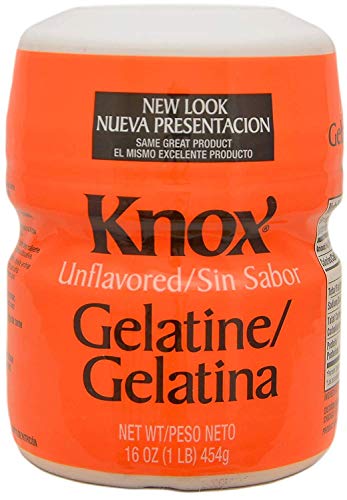
Knox Unflavored Gelatin, 16 oz
Regular price From $31.99 USDRegular price -
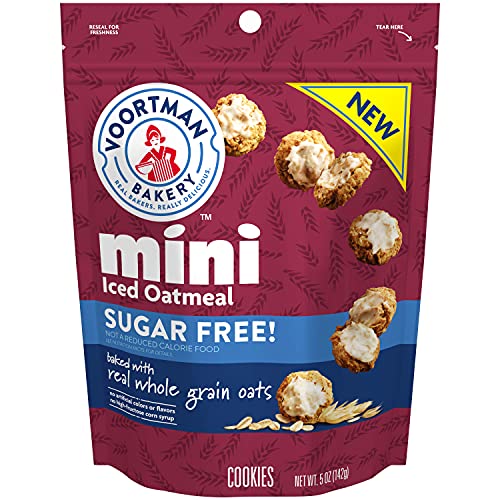
Voortman Sugar Free Iced Oatmeal Mini Cookies, 5 oz
Regular price $17.99 USDRegular price$9.65 USDSale price $17.99 USD -
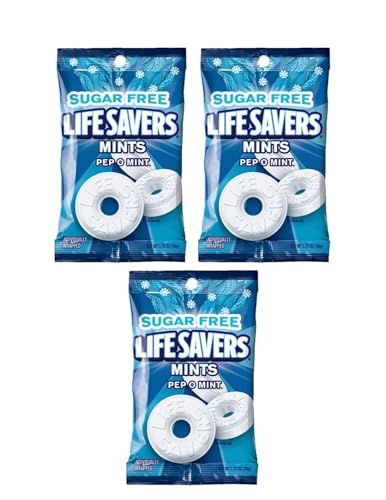
Life Savers Sugar Free Pep O Mint Mints, 2.75 oz, 3 Pack
Regular price $22.99 USDRegular price$8.15 USDSale price $22.99 USD -
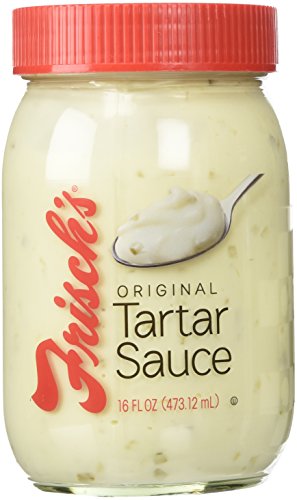
Frisch's Original Tartar Sauce, 16 oz
Regular price $22.99 USDRegular price$13.95 USDSale price $22.99 USD -
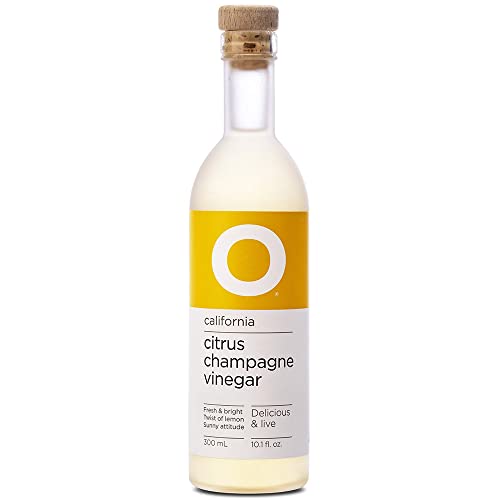
O Olive Oil & Vinegar Citrus Champagne Vinegar, 10.1 fl oz
Regular price $19.99 USDRegular price$14.99 USDSale price $19.99 USD -
Torani Sugar Free Pumpkin Pie Syrup, 12.7 fl oz
Regular price $19.99 USDRegular price$0.00 USDSale price $19.99 USD -
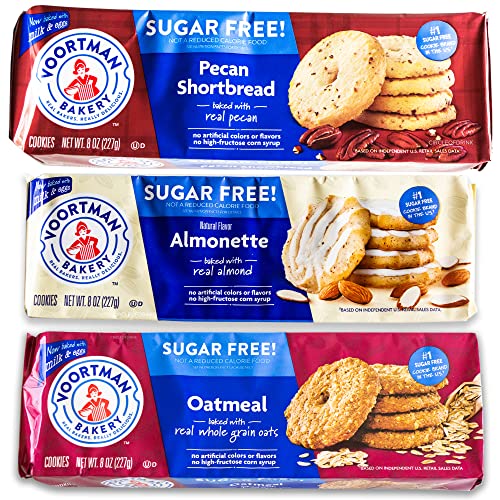
Voortman Zero Sugar Cookies Variety Pack, Oatmeal, Iced Almonette & Pecan Shortbread, 8 oz, 3 Pack
Regular price $31.99 USDRegular price$0.00 USDSale price $31.99 USD -
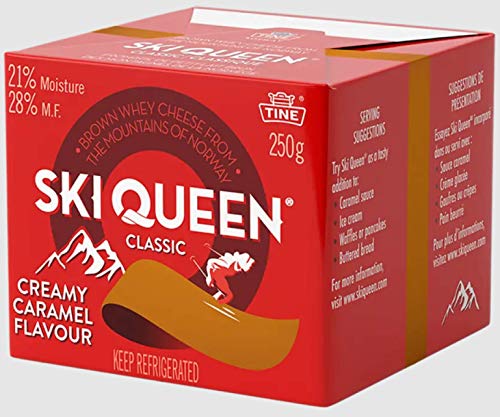
Ski Queen Gjetost Norwegian Brown Cheese, 8.8 oz
Regular price $20.99 USDRegular price$21.99 USDSale price $20.99 USDSale -
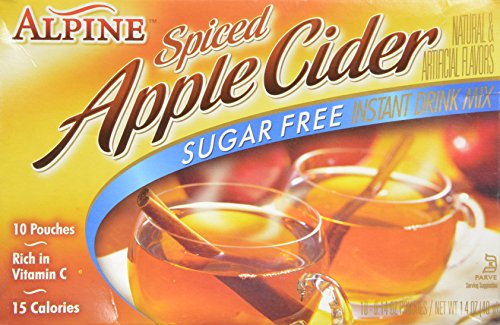
Alpine Sugar Free Spiced Apple Cider Instant Drink Mix, 0.14 oz, 10 Pouches
Regular price $15.99 USDRegular price$18.98 USDSale price $15.99 USDSale -
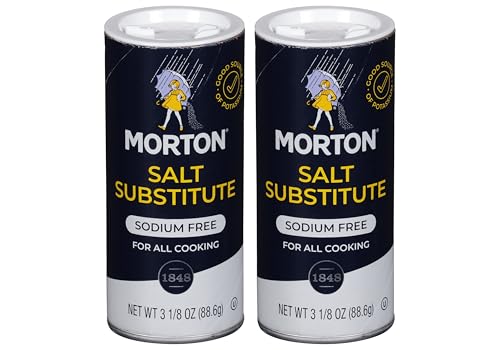
Morton Salt Substitute, Sodium Free, 3.12 oz, 2 Pack
Regular price $22.99 USDRegular price$10.99 USDSale price $22.99 USD -
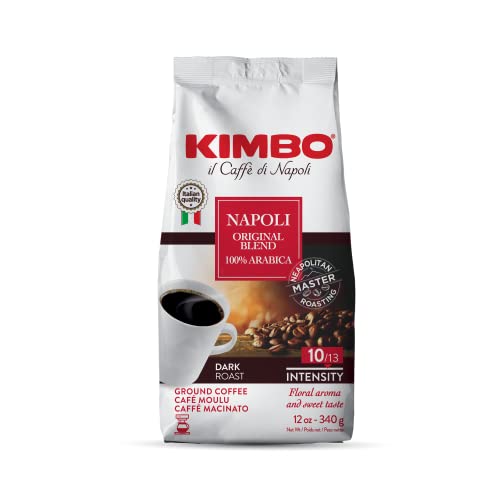
Kimbo Napoli Ground Coffee, 100% Arabica, Dark Roast, 12 oz
Regular price $21.99 USDRegular price -
ChocZero Milk Chocolate Hazelnut Keto Bark, 6 oz, 2 Bags
Regular price $29.99 USDRegular price$0.00 USDSale price $29.99 USD -
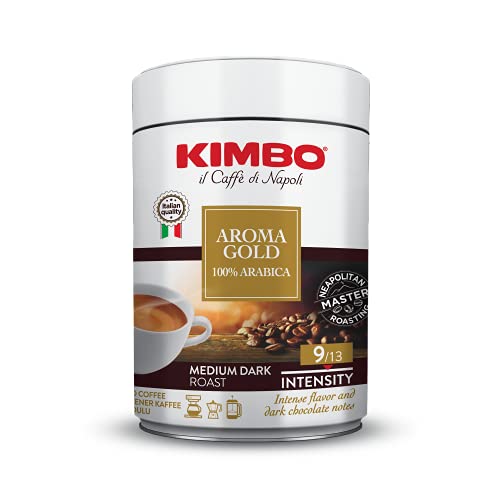
Kimbo Aroma Gold Ground Coffee, 100% Arabica, Medium Dark Roast, 8.8 oz
Regular price $22.99 USDRegular price -
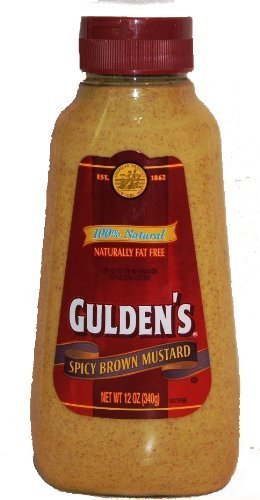
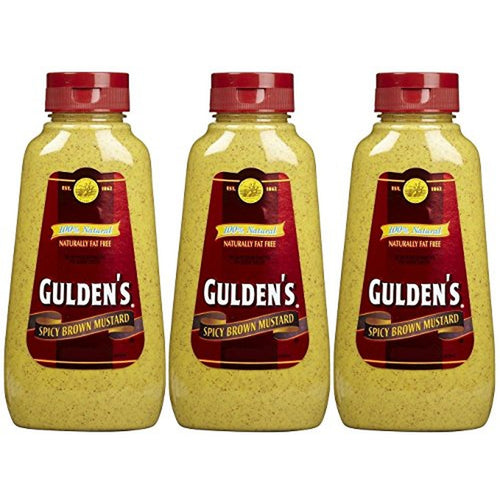
Gulden's Spicy Brown Mustard, 12 oz
Regular price $15.99 USDRegular price$0.00 USDSale price $15.99 USD -
Gold Medal Original Flavacol Popcorn Seasoning Salt, 35 oz
Regular price $20.99 USDRegular price -
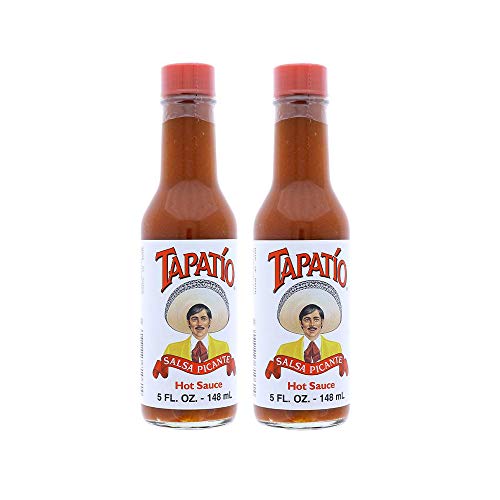
Tapatío Salsa Picante Hot Sauce, 5 fl oz, 2 Pack
Regular price $15.99 USDRegular price


Sugar-Free & Low-Sugar Questions
The things people ask before they fill a basket.
What is the difference between sugar-free and no sugar added?
They are not the same claim. Sugar-free means the product contains essentially none. No sugar added means none was put in, but the ingredients may bring their own, and fruit and dairy both do.
Does sugar-free mean carb-free?
No. Neither claim means carb-free. The nutrition panel on each product page has the actual number, and that is the only figure worth trusting.
What is actually on this shelf?
Sugar-free mayonnaise, jam, breakfast syrup and coffee creamer; no-sugar-added peanut butter, cocoa, pie filling and tart cherry concentrate; sugar-free gum and mints; and zero-carb staples like gelatin, pork rinds and unflavored protein powder.
How do you decide which products carry a diet tag?
Every tag is applied from the manufacturer's own ingredient label. Where they print a claim on the packaging we use their wording; the rest reflect what the product is made of. If a specific claim matters to you, check the physical label before buying.