🍬

Sugar-Free & Low-Sugar

No sugar added, and in some cases none at all. Sugar-free mayonnaise, jam, breakfast syrup and coffee creamer; no-sugar-added peanut butter, cocoa, pie filling and tart cherry concentrate; sugar-free gum and mints; plus zero-carb staples like gelatin, pork rinds and unflavored protein powder.

Worth knowing: "no sugar added" and "sugar-free" are not the same claim, and neither one means carb-free -- fruit and dairy bring sugars of their own. The nutrition panel on each product page has the actual number.

116 products
Showing 24 of 116
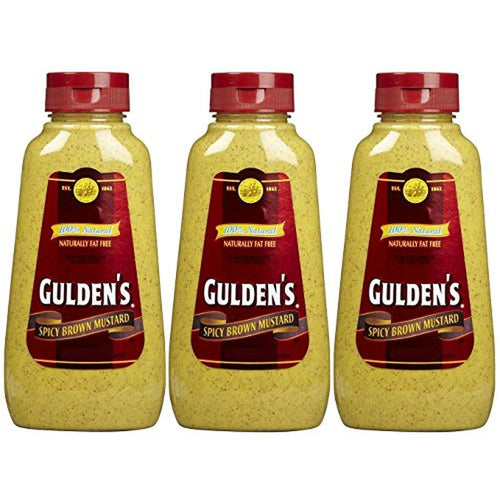
Gulden's Spicy Brown Mustard, 8 oz, 3 Pack

Gulden's Spicy Brown Mustard, 8 oz, 3 Pack

🥛🥚🌾
$17.42
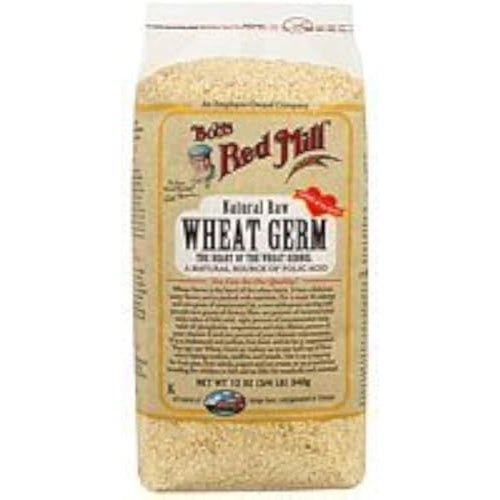
Bob's Red Mill Wheat Germ, 12 oz, 2 Pack

Bob's Red Mill Wheat Germ, 12 oz, 2 Pack

🥗📦🍯
$16.34
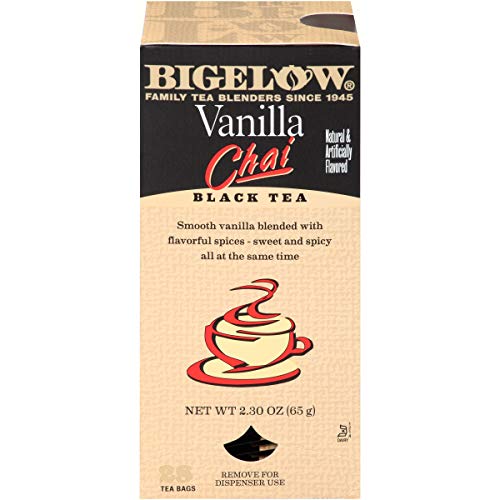
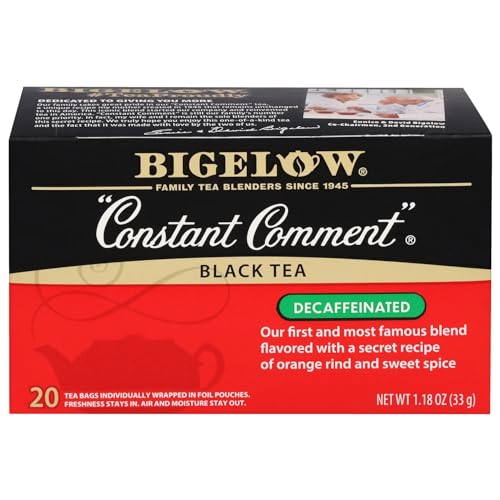
Bigelow Vanilla Chai Black Tea, 28 Count

Bigelow Vanilla Chai Black Tea, 28 Count

🌾🧬🍬
$17.28
Frontier Soups Red Pepper Corn Chowder Mix, 5 oz

Frontier Soups Red Pepper Corn Chowder Mix, 5 oz

🥛🥚🌾🧂
$16.87
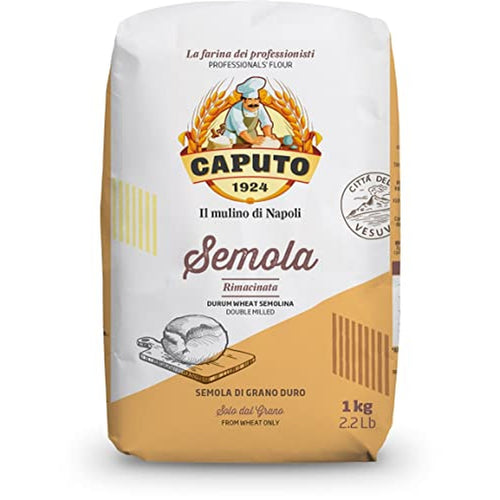
Antimo Caputo Semolina Rimacinata Flour, 2.2 lb

Antimo Caputo Semolina Rimacinata Flour, 2.2 lb

🍯🧬🌱
$17.55
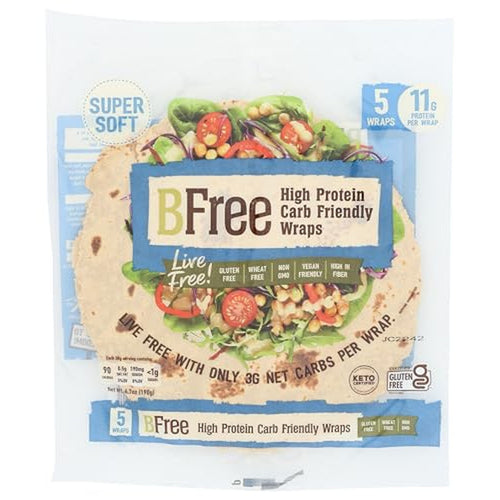
BFree High Protein Carb Savvy Tortillas, 5 Count

BFree High Protein Carb Savvy Tortillas, 5 Count

🥛🥗🌾🥦
$19.24

Sugar-Free & Low-Sugar Questions

The things people ask before they fill a basket.

What is the difference between sugar-free and no sugar added?

They are not the same claim. Sugar-free means the product contains essentially none. No sugar added means none was put in, but the ingredients may bring their own, and fruit and dairy both do.

Does sugar-free mean carb-free?

No. Neither claim means carb-free. The nutrition panel on each product page has the actual number, and that is the only figure worth trusting.

What is actually on this shelf?

Sugar-free mayonnaise, jam, breakfast syrup and coffee creamer; no-sugar-added peanut butter, cocoa, pie filling and tart cherry concentrate; sugar-free gum and mints; and zero-carb staples like gelatin, pork rinds and unflavored protein powder.

How do you decide which products carry a diet tag?

Every tag is applied from the manufacturer's own ingredient label. Where they print a claim on the packaging we use their wording; the rest reflect what the product is made of. If a specific claim matters to you, check the physical label before buying.