








GLP-1 Friendly Questions
The things people ask before they fill a basket.
What should I keep in the cupboard when my appetite is smaller?
Food that is dense in protein and fiber and light on added sugar, so a half portion still counts as a meal. That is the whole basis of this shelf.
How do I get enough protein when eating is hard?
Unflavored protein powder dissolves into anything without turning it into a shake. Clear fruit-flavored protein drinks work on days when nothing savory appeals. Cheese crisps, unsalted nuts and no-sugar-added peanut butter cover the snack end, and beans and lentils bring protein and fiber together.
Why does fiber matter so much here?
Because things need to keep moving. We stock flaxseed in four forms, buckwheat groats, farro, millet, sorghum, whole-grain hot cereals, crispbread, and prunes as both a snack and a juice.
What helps on days when solid food is a negotiation?
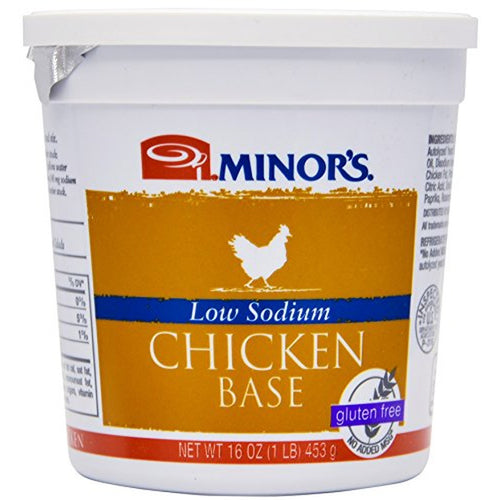
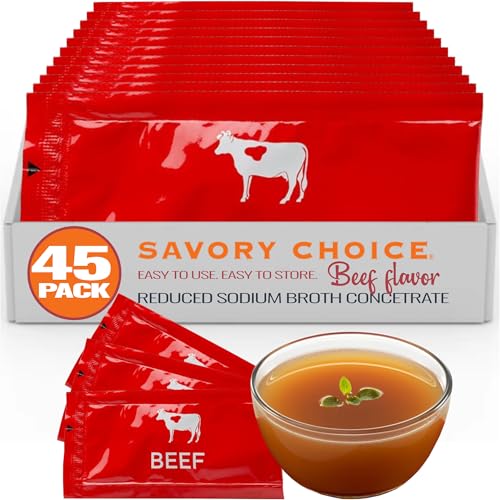
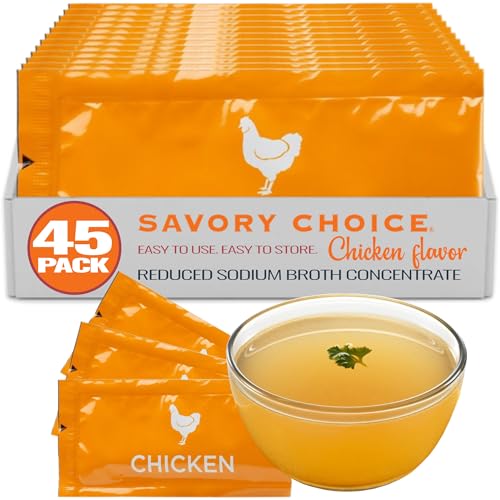
Sipping broths and electrolyte mixes. They go down when nothing else will, and they keep you ahead of dehydration.
Are there small snacks that are not candy?
Mini rice cakes, chia squeezes and granola minis. Portioned, so a small appetite is not staring down a full-size bag.
Is any of this medical advice?
No. This is a grocery aisle. We make no claims about any medication, and nothing here replaces what your doctor or dietitian tells you. Nutrition panels and allergen statements are on every product page, and you should always check the physical label before eating.
How do you decide which products carry a diet tag?
Every tag is applied from the manufacturer's own ingredient label. Where they print a claim on the packaging we use their wording; the rest reflect what the product is made of. If a specific claim matters to you, check the physical label before buying.